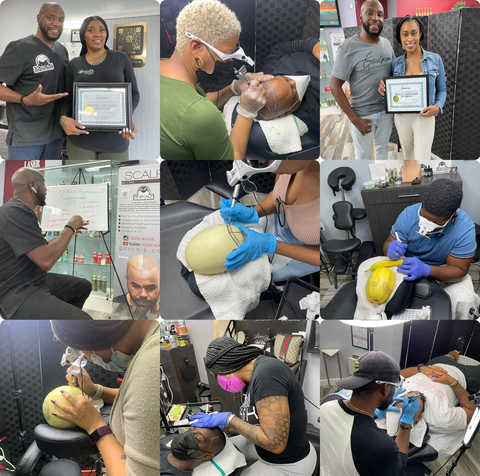
Nervous About skull micropigmentation Training? What to Expect
By Goscalp Scalp Micropigmentation Hair Loss Center & Laser Tattoo Removal | August 27, 2026
I hear the same thing all the time: you’re excited about learning SMP, but you’re nervous about the unknown. That’s normal. People come to me because I’m detail oriented, I listen, and I take the time to answer questions so you don’t feel rushed. My Scalp Micropigmentation Training is straightforward, hands-on, and built to help you leave with real technique, not just theory. You’ll get a clear syllabus, equipment, and ongoing support, and you’ll spend your time doing the work on practice heads and, when appropriate, live models. If you’re coming in through Stonecrest Town Center near the Stonecrest Concourse commercial district, the goal is simple: you show up prepared, and I guide you step-by-step.
Before training day: a simple checklist that keeps you calm
If you’re searching “micropigmentation training near me, ” the biggest stress point is usually, “Am I bringing the right stuff?” Here’s what I recommend for a smooth day.
Bring: a valid ID, closed-toe shoes, a notebook and pen, and a phone for photos if I confirm it’s allowed for your session. Pack water and a snack too. A full day can run long, and your focus is better when you’re not hungry.
Wear comfortable clothing you can move in. If you’re coming from Lithonia, Stone Mountain, Decatur, Conyers, Snellville, or Atlanta, plan a few extra minutes for I-20 traffic so you aren’t walking in already tense. And if you’re training near Stonecrest Town Center, you’ve got easy parking and quick food options in the Stonecrest Concourse area so you can keep your break simple.
Most important, come with questions. I’d rather answer something twice than have you leave uncertain about pigment choice, dot size, needle movement, or how to speak to a future SMP client about realistic outcomes.
Inside the 480-minute SMP training day: classroom time, hands-on time, and real feedback
My course is priced at $3900, and it’s built around doing the work. You’ll get a mix of classroom-style explanation and hands-on practice where I’m watching your technique closely. People often tell me they came in skeptical, then felt comfortable once they realized I actually slow down, answer questions, and make sure we’re on the same page.
“Going in, I was very skeptical as I did not know what to expect. Mike made me feel comfortable answering all my questions and concerns.”
one of our first-time visitors
How the day usually flows
We start with sanitation and workstation setup. I’m strict about clean surfaces, barrier protection, and PPE, because you’re learning a skill you’ll use on real people. Then we go into needles, pigment basics, and the “why” behind dot placement. I’ll show you what creates a natural density effect and what creates an obvious, tattooed look you want to avoid.
Hands-on work follows. You’ll practice on training skins or practice heads first. I’m watching your pressure, angle, spacing, and consistency, and I’ll correct it in real time. If you’re here in hot, humid months, bring a light layer you can remove. Long hands-on blocks can get warm, and staying comfortable helps your focus and your line control.
Breaks are built in. If you’re commuting into Stonecrest Town Center, this is where it helps to keep your lunch easy. Grab something quick near the Stonecrest Concourse, reset your hands, then we get back to technique.
Live model practice and consent: what I do and what I won’t rush
If your training includes working with a live model, I keep it professional and controlled. Nobody is thrown into the deep end. We review consent, we talk through the plan, and we keep communication open throughout the session. That’s not just “nice, ” it’s how you prevent mistakes and how you build trust in your own future scalp micropigmentation clinic.
You’ll learn how to explain sensations honestly. People getting SMP often worry about pain, swelling, and what they’ll look like right after. In real reviews of my SMP work, clients mention I checked their pain tolerance and adjusted. That same mindset matters in training too. You need to know how to pause, reassess, and keep your model comfortable without losing control of your pattern.
And yes, aftercare matters. One client pointed out that a lot of online resources skip what to do after procedures and how to prevent issues. I don’t skip it. I’ll show you how to give clear aftercare instructions that are easy for a real person to follow.
After the course: practice hours, portfolio photos, and ongoing support
Training is the start. Your confidence comes from repetition, good habits, and honest feedback. I include ongoing support because new artists always run into the same sticking points: matching density, keeping spacing consistent, and knowing when to stop so you don’t overwork an area.
I also talk with you about building a portfolio the right way. If you’re allowed to take photos during training, I’ll show you what angles actually help and what lighting makes results look misleading. In my SMP services, people mention getting confidence back after the first session and feeling like they look years younger. That happens when the work is clean and the expectations are set correctly. Your portfolio should reflect that same honesty.
If your long-term goal is to be a hair restoration expert or to add a hair loss treatment option to what you already do, I’ll help you think through how to position SMP as a serious hair treatment for hair loss, not a quick add-on. A lot of your future clients will find you by searching “hair loss specialist near me.” Your results and your process need to back that up.
A few Stonecrest tips that make training day easier
If you’re commuting into Stonecrest, plan your day like you’d plan a long appointment. Charge your phone the night before. Bring water. If you know you get stiff sitting for long periods, let me know so we can build in quick stretch breaks during hands-on blocks.
People come into my business for hair loss services because they want someone who takes time and listens. That’s the same energy I bring to training. I’m not trying to rush you through a script. I’m trying to make sure you leave knowing what you’re doing and why you’re doing it.
If you want more context on how this skill can fit into your career, read benefits of Scalp Micropigmentation Training for your career. And when you’re ready, reach out so we can confirm scheduling details, including weekend or evening options that work better for I-20 commuters.
Need the basics up front? I’ll tell you exactly what your training covers, what’s included in your equipment, and how we handle hands-on time so you aren’t guessing.
Questions I get before you book Scalp Micropigmentation Training
Do I need prior tattoo experience to take Scalp Micropigmentation Training?
No. I teach the fundamentals you actually need for SMP, including sanitation, needle control, and dot placement. If you already have PMU or tattoo experience, it can help with hand control, but I don’t assume you know SMP-specific technique on day one.
What should I bring to my Scalp Micropigmentation Training day?
Bring ID, closed-toe shoes, a notebook, and water. I also recommend a snack. If you want to take photos for your portfolio, ask me first so we can keep it respectful and within what’s allowed for that session.
How long does a typical Scalp Micropigmentation Training course last?
Plan for a full 480-minute training day. The course is structured as four, two-hour, one-on-one, in-person lessons, and we use that time for both instruction and hands-on technique.
Will trainees work on real clients during Scalp Micropigmentation Training?
Training starts with controlled practice so you build safe habits first. If live model work is included for your session, I walk you through consent, setup, and communication so it stays professional and you’re not rushed.
Are there specific Georgia rules or licenses I should know about before training?
Georgia rules can change and the right path depends on how and where you plan to practice. I recommend you check current state and local requirements for tattooing or PMU, and then tell me your plan so I can point you toward the right questions to ask before you take paying clients.
What do you mean by a “scalp micropigmentation clinic” in the training context?
I’m talking about the professional setup and habits that keep SMP safe and consistent. That includes sanitation, clear consultation language, and a repeatable process that produces natural-looking density.
If I’m searching “micropigmentation training near me, ” how do I know this is the right fit?
If you want one-on-one, in-person lessons, hands-on technique time, and support after the course, you’ll fit in well here. I keep the focus on real skill, clean habits, and the details that make results look natural.
Ready to talk it through? Reach me at +16786980610 or goscalp@gmail.com. If you’re nearby, I’m right in Stonecrest, close to the Stonecrest Town Center and the Stonecrest Concourse commercial district.
Address: 7300 Stonecrest Concourse 104 suite 123, Stonecrest, GA 30038