One-to-one session format
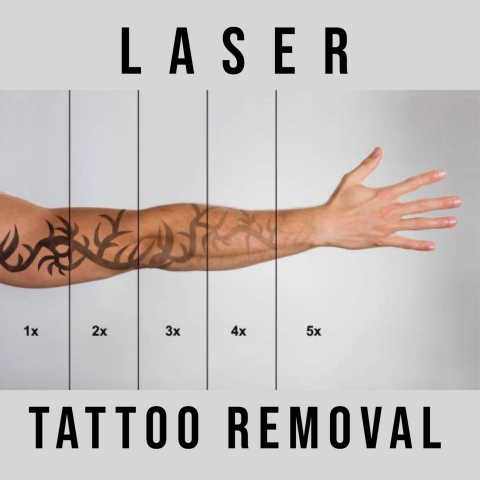
Laser Tattoo Removal 1X1 means a single, focused appointment where the clinician concentrates on one client at a time. The clinic schedules each session to allow careful monitoring of the treated area; the listed duration for a session is 35 minutes and the posted price is $100, which reflects a concise, concentrated treatment visit.
A single session does not guarantee complete removal. The laser energy breaks tattoo pigment into smaller particles that the body gradually removes. Tattoo characteristics such as color, depth, age, and the client’s skin response determine how many sessions and what spacing are appropriate; clinicians assess those variables during your first appointment.
What happens during treatment
At your session the clinician prepares the area, protects surrounding skin, and delivers controlled laser application focused on the tattoo pigment. Because this is a one-on-one appointment, the practitioner can pause, check comfort, and adjust approach in real time. The treatment window itself is brief, matching the 35-minute session length, which allows clear attention to the treated area.
Immediately after treatment the skin may show redness, mild swelling, or a superficial scab as part of normal tissue response. Aftercare instructions focus on keeping the area clean and protected from sun exposure—especially important in Stonecrest’s humid subtropical climate where sun and summer storms affect outdoor plans and healing.
Local logistics and scheduling
Goscalp’s Stonecrest location sits in the Stonecrest Town Center / Stonecrest Concourse commercial district, with easy access from I-20 and nearby park-and-ride and bus connections serving Stonecrest and Lithonia. The single-session format is convenient for commuters stopping before or after work, and evening and weekend appointments appeal to shoppers and family schedules.
A Laser Tattoo Removal 1X1 session is priced at $100 and lasts 35 minutes, making it easy to fit into a shopping trip or a commute. Busiest months are January, February, October and November—cooler weather helps clients cover treated skin after a session to reduce sun exposure and support healing.