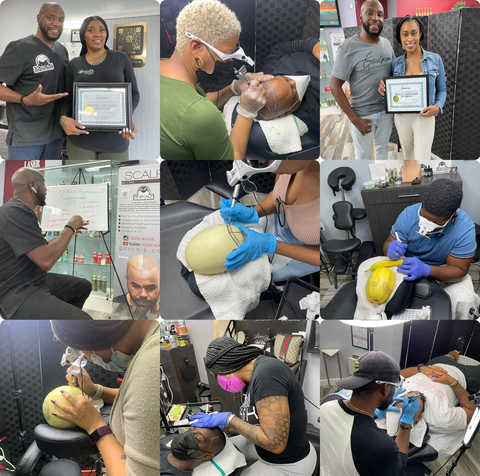
After Scalp Micropigmentation Training: 14-Day Aftercare Plan for Hair Transplant-Level Results
By Goscalp Scalp Micropigmentation Hair Loss Center & Laser Tattoo Removal | September 10, 2026
Stonecrest Town Center, Stonecrest, GA | +16786980610
Right after Scalp Micropigmentation Training, the most important rule is simple: keep the scalp dry for 48 hours. No shower rinse, no sweating through a workout, no “just a quick splash.” I’m big on details, and that first two days is where people protect the work they just paid for. And in Stonecrest humidity, that matters even more because moisture and sweat show up fast.
Days 0 to 2: the 48-hour rule that keeps pigment crisp
If you take nothing else from this plan, take this: no washing or rinsing the treated area for the first 48 hours. That includes letting shower steam hit your scalp. In the Atlanta metro climate, sweat can show up just walking to the car, so plan ahead.
Quick checklist for the first 48 hours: Keep it dry, avoid heavy sweating, and don’t touch, rub, or “check it” with your fingertips all day. Hands carry oil and bacteria, and friction is not your friend right now.
What to do if you accidentally get it wet
If water hits the area, don’t panic and don’t scrub. I generally recommend you pat dry with a clean paper towel. No rubbing. Then leave it alone. If you’re unsure, text or call me and I’ll talk you through it.
Sweat and workouts
I recommend skipping strenuous exercise and anything that makes you sweat hard for 4 to 7 days. Sweat can soften the healing surface and can interfere with how the pigment settles. If you have a job that keeps you outdoors, do what you can to stay cool and shaded, especially around Stonecrest Town Center where the sun and heat bounce off pavement.
Days 3 to 7: flaking is normal, picking is the problem
This is the week people get tempted. You might notice dryness, light flaking, or small scabs. That’s a normal part of healing. What I don’t want you doing is helping it along.
- Don’t pick, scratch, or exfoliate. Let flakes shed on their own, even if they look “ready.”
- Keep sun off the scalp. Hats are fine as long as they’re clean and not tight or rubbing.
- Avoid saunas and steam rooms. Heat plus sweat tends to slow healing.
- Be cautious with commutes and weekend plans. If you’re out in Stonecrest heat for games, festivals, or yard work, build in shade breaks and keep your scalp protected.
Real talk: Most “my pigment faded” worries in week one come down to sweating too early, sun exposure, or picking at flakes. If you protect those three, you’re usually in a great spot.
Days 8 to 14: when you can start acting normal again, carefully
By the second week, most people feel a lot more comfortable. That doesn’t mean you should throw every product back on your scalp or spend all day in the sun. Think of days 8 to 14 as “almost there.” You keep protecting the result while everything finishes settling.
Sun and swimming rules (this is where people slip)
I recommend keeping your scalp out of direct sun and avoiding pools, hot tubs, lakes, and ocean water for at least two weeks. Chlorine and saltwater can irritate healing skin and may affect how the pigment holds. Once your scalp is healed, SPF becomes a long-term habit that protects your look.
Washing after 48 hours
After the first 48 hours, I generally recommend a gentle cleanse, light pressure only, and no aggressive scrubbing. Keep it simple. If you’re unsure what “gentle” looks like, ask me. I’d rather you check in than guess.
Products and habits I trust for clean healing (no fancy shelf needed)
You don’t need a complicated routine. You need consistency. I focus on three things: keeping the area clean once it’s safe to wash, keeping hands off, and keeping irritation down.
My simple aftercare framework
- Gentle cleanser: fragrance-free is usually a safe bet.
- Light moisture: a thin layer only, once you’re cleared to moisturize. Too much can feel greasy and trap heat.
- No actives: skip exfoliating acids, retinoids, and harsh anti-dandruff products until you’re fully healed.
If you’re coming to me from Lithonia, Stone Mountain, Decatur, Conyers, Snellville, or anywhere in Atlanta for training or treatment, these rules still apply. Climate and sun exposure are the big variables, not your zip code.
Touch-ups at 4 to 8 weeks, plus when I want you to reach out
SMP is a process. A touch-up is usually recommended around 4 to 8 weeks, once your scalp has fully healed and we can see how everything settled. If you’re training with me, I’m just as picky about aftercare as I am about the technical work because that’s how you protect a visible result.
“Michael has great customer service! He is detail oriented and always does his best on every service. He listens to you and gives you the look you want.”
one of our regulars
What’s normal vs. what needs a quick check-in
Mild redness, tightness, and light flaking are common early on. Reach out if you see anything that feels off, like increasing tenderness after the first couple days, unusual swelling, drainage, or anything that worries you. I keep follow-ups easy, especially for people stopping by Stonecrest Town Center on evenings or weekends.
If you’re comparing options like a “hair transplant clinic near me” or a “hair replacement clinic, ” I get it. A lot of people look at SMP as part of their hair loss treatment plan because it can deliver that clean, fuller look without surgery. If you want next steps, I’d point you to what to expect from Scalp Micropigmentation Training and the benefits of Scalp Micropigmentation Training. Then call me and we’ll talk through your goals and timing.
If you want a hair restoration expert to double-check your aftercare, I’m here
People find me when they’re searching “hair loss specialist near me” because they want straight answers and clean work. If you’ve got a question during your 14-day window, don’t sit on it. Call +16786980610 or email goscalp@gmail.com. I’d rather help you protect the result than fix a problem that could’ve been avoided.
Visit: 7300 Stonecrest Concourse 104 suite 123, Stonecrest, GA 30038